news
What You’re Breathing During Indoor Projects (and Why It Matters)

Spring is the perfect time to refresh your space—whether that means deep cleaning, organizing the garage, or starting a DIY project you’ve been putting off. But while you’re focused on getting things done, there’s one thing most people don’t think about:
What’s in the air around you.
Indoor Projects Can Stir Up More Than You Think
Many common household tasks can release airborne particles that aren’t always visible—but can still impact how you feel during and after a project.
Some of the most common include:
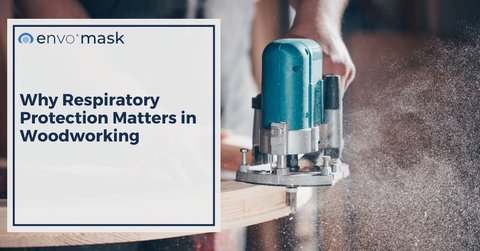
- Dust from sanding wood, drywall, or old materials (House Digest 2025, “What You Need To Know About Drywall Dust Dangers”).
- Debris from sweeping, organizing, or moving stored items
- Mold spores in basements, attics, or damp areas (EPA 2024, “How do Molds Affect People?”).
Even quick projects can create a surprising amount of airborne exposure.
Why Enclosed Spaces Make It Worse
Unlike outdoor work, indoor environments often have limited airflow—especially in areas like garages, workshops, or smaller rooms.
This means:
- Particles can linger in the air longer
- Exposure can become more concentrated over time
- You may be breathing in the same air repeatedly without realizing it
In enclosed spaces, what you can’t see can build up quickly (Occupational Safety and Health Administration, “OSHA Technical Manual Section III”).
Short-Term Effects You Might Notice
You don’t need long-term exposure to feel the impact. Even short projects can lead to:
- Irritated eyes or throat
- Coughing or sneezing
- Headaches or dizziness (especially from fumes)
- General discomfort while working
These are often brushed off—but they can be your body’s way of reacting to what’s in the air (United States Environmental Protection Agency 2025, “Addressing Indoor Environmental Concerns During Remodeling”).
When to Think About Protection
Not every task requires extra precautions—but certain situations are worth paying attention to:
- Sanding or cutting materials
- Cleaning dusty or long-unused spaces
- Painting or using chemical-based products
- Working in tight or poorly ventilated areas
Being mindful in these moments can make a noticeable difference in your comfort.
A Simple Way to Reduce Exposure
Improving ventilation is a great first step—but it’s not always enough, especially in enclosed environments.
Using a comfortable, reusable N95 respirator can help reduce what you’re breathing in during these everyday tasks—without getting in the way of your work.
Breathe Easier, Work Smarter
Indoor projects are a great way to refresh your space—but they shouldn’t come at the cost of your comfort.
Taking a moment to consider your air quality can help you feel better during your projects—and after they’re done.