news
What Can Weaken Your Respiratory System? Everyday Factors That Affect Lung Health

Your respiratory system works constantly to supply oxygen to your body and remove carbon dioxide. But many everyday exposures can put additional stress on the lungs. Over time, repeated exposure to airborne irritants may affect respiratory health and comfort, especially for those with allergies or sensitivities.
Understanding these factors can help people take simple steps to protect their breathing environment.
1. Air Pollution
Outdoor air pollution contains tiny particles and gases that can irritate the lungs.
Common sources include:
- vehicle emissions
- industrial pollution
- wildfire smoke
- smog
These pollutants contain fine particulate matter (PM2.5), which can travel deep into the lungs and cause irritation or inflammation (EPA 2025, “Particulate Matter (PM) Basics”).
Protective step: limiting exposure during poor air quality days and using respiratory protection when needed.
2. Dust and Particulate Matter
Dust is more than just a nuisance. It can contain:
- soil particles
- construction debris
- silica
- wood particles
- household dust mites
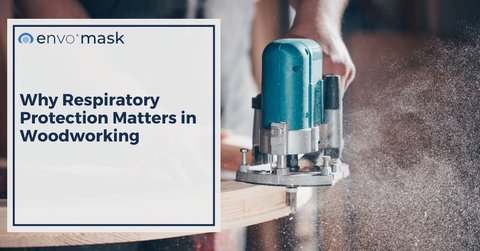
Activities like sanding, landscaping, sweeping, or home renovation can release large amounts of airborne particles that may irritate the respiratory tract.
Protective step: wearing respiratory protection during dusty tasks.
3. Allergens
Allergens can trigger respiratory symptoms in sensitive individuals.
Common airborne allergens include:
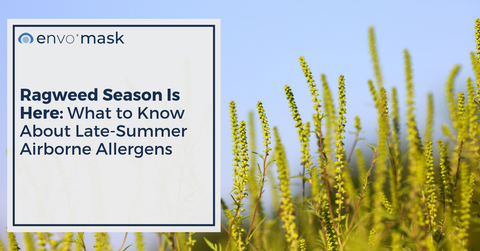
- pollen
- mold spores
- pet dander
- dust mites
When inhaled, these particles can lead to symptoms like congestion, sneezing, coughing, or airway irritation (VeryWell Health 2025, “Difficulty Breathing and Allergies”).
Protective step: reducing exposure during peak allergy seasons.
4. Mold and Indoor Air Quality
Indoor air can sometimes contain hidden respiratory irritants.
Sources may include:
- damp environments
- water damage
- poor ventilation
Mold spores can become airborne and may irritate the respiratory system when inhaled.
Protective step: improving ventilation and limiting exposure when cleaning or repairing mold-prone areas (American Lung Association 2026, “What Makes Indoor Air Unhealthy?”).
5. Smoke Exposure
Smoke from wildfires, wood burning, or other sources contains very small particulates that can enter the lungs and affect breathing comfort.
Even short-term exposure can cause irritation in some people (EPA 2025, “Wildland Fire Research: What’s in Smoke?”).
Protective step: limiting exposure during smoke events and using respiratory protection when outdoor air quality declines.
Conclusion
Many everyday activities and environmental conditions can introduce airborne particles into the air we breathe. While avoiding these exposures completely isn’t always possible, taking simple precautions—such as improving ventilation, monitoring air quality, and using respiratory protection when needed—can help support respiratory health.