articles
Cold Weather, Clean Air: Why Winter Is Tough on Your Lungs

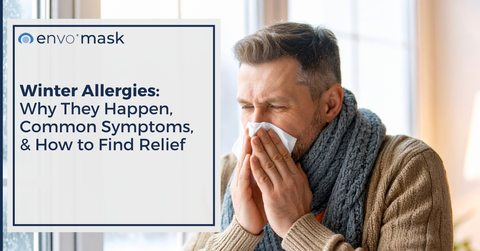
As temperatures drop, most of us spend more time indoors — windows closed, heat cranked up, and the air around us recirculating. It might feel cozy, but this shift in the environment quietly takes a toll on our respiratory health. Between dry air, dust, and increased exposure to airborne irritants, winter can make it harder to breathe comfortably — especially for those with allergies, asthma, or other sensitivities.
Why Winter Can Be Hard on the Respiratory System
- Heating systems stir up dust, pet dander, and even mold spores that have settled through the year (ENT & Allergy Associates 2024, “Managing Asthma and Indoor Allergies as Heating Sytems Turn on”).
- Cold outdoor air can trigger coughing, wheezing, or bronchospasm for people with sensitive lungs.
- Limited ventilation means airborne particulates and pathogens linger longer indoors.
Even people who don’t normally struggle with allergies or breathing issues may notice more fatigue, headaches, or congestion during the colder months. The culprit? The air we’re breathing.
Why Illnesses Peak in the Colder Months
There’s a reason flu season and winter go hand in hand — colder weather creates the perfect environment for viruses to spread.
- More time indoors = more shared air. With doors and windows shut, ventilation drops, and viruses pass easily between people.
- Dry air weakens your defenses. Low humidity dries out your nose and throat, making it easier for viruses to enter the body (Healthline 2022, “Scientists Finally Figure Out Why You’re More Likely to Get Sick in Cold Weather").
- Viruses survive longer in the cold. Pathogens like influenza and RSV survive longer in cool, dry air (Very Well Health 2025, “How Long Do Cold and Flu Germs Live on Surfaces?").
- Lower immunity. Less sunlight means less vitamin D, and holiday stress or disrupted sleep can wear down your immune system.
The result? An environment where airborne illnesses thrive — and your lungs work overtime.
How to Protect Yourself and Breathe Easier
Small changes can make a big difference during the winter months:
- Replace or clean furnace filters regularly.
- Keep indoor humidity between 40–50% (Mayo Clinic 2020, “Practical Tips for a Healthier Winter”).
- Get outside for fresh air and movement whenever possible.
- Take a daily dose of Vitamin D.
- Disinfect high-touch surfaces and wash your hands often.
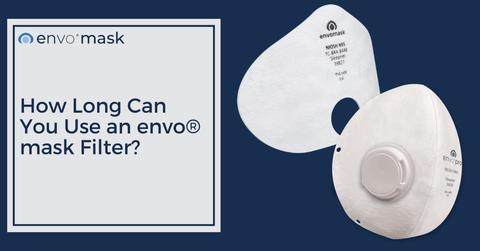
- Wear a comfortable respirator like envo mask when doing dusty indoor chores or spending time in crowded spaces.
Breathe Easy All Season
Cold weather shouldn’t mean compromised breathing. Envo mask’s reusable design and comfortable seal help protect against airborne particulates, allergens, and dust — indoors and out. Because no matter how cold it gets, you deserve to breathe clean, clear air.